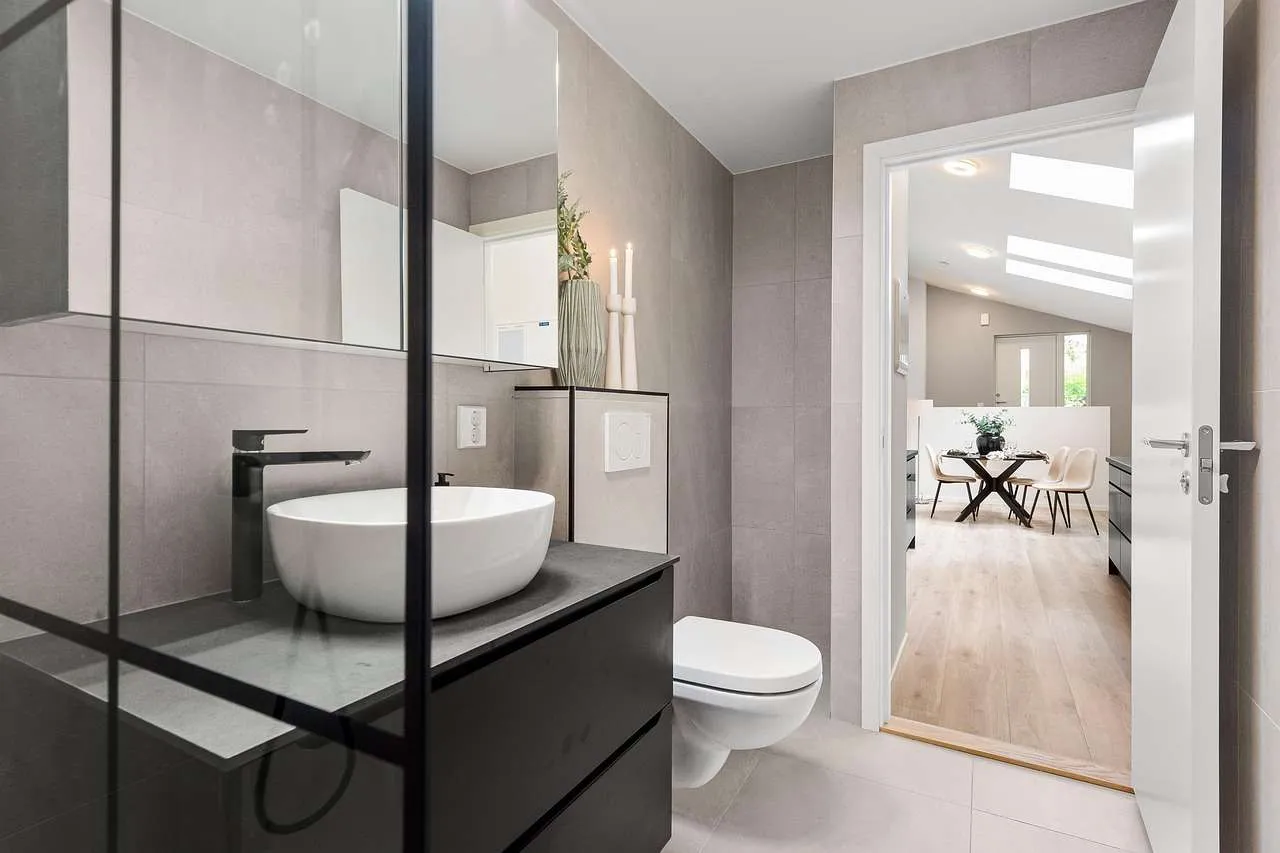
Bathrooms deserve tiles that combine beauty with durability. This guide covers bathroom tiles options installation considerations and maintenance to help homeowners and professionals choose confidently.
Understanding the role of bathroom tiles
Tiles protect walls and floors from moisture while defining style. This article follows industry best practices and emphasizes expert guidance where needed including substrate prep and waterproofing performed by licensed installers.
Types of bathroom tiles
Ceramic tiles
Ceramic tiles are glazed or unglazed clay tiles that offer good durability at an accessible price. Glazed ceramic tiles are easy to clean and come in a wide range of colors and patterns making them ideal for walls and shower backsplashes.
Porcelain tiles
Porcelain is a dense low porosity tile that resists moisture well making it suitable for floors and wet areas. They can mimic natural stone or wood while delivering superior stain resistance and longevity.
Natural stone tiles
Stone such as marble travertine or slate brings natural beauty but requires maintenance. Most natural stones are porous and need sealing to protect against water and oil infiltration. Daily cleaning should use pH neutral products to avoid dulling the finish.
Glass and metal tiles
Glass tiles add sparkle and are non porous and easy to clean ideal for accents or shower niches. Metal tiles provide a contemporary flair but can show fingerprints and require careful installation to avoid heat expansion issues.
Design and performance considerations
Size pattern and layout
Large format tiles create a seamless feel and fewer grout lines while smaller tiles or mosaics offer texture and grip in shower floors. Your layout should complement room dimensions and substrate flatness; larger tiles demand a flatter surface and skilled installation.
Color finish and slip resistance
Choose colors and finishes that suit lighting and cleanliness expectations. Floor tiles in wet areas should have a slip resistance rating such as R9-R12 and textured finishes to reduce risk of slips.
Maintenance and sealing
Ceramic and porcelain require minimal sealing while natural stone often needs sealing and periodic re sealing. Grout color can influence cleaning practicality; epoxy grout offers stain resistance but can be harder to install than cementitious grout.
Installation and maintenance tips
- Prepare a clean dry substrate and install a waterproofing membrane where moisture is present following local codes
- Choose grout and sealant suited to your environment use color matched grout to hide dirt or white grout for a bright look
- Use appropriate cutting tools and support to prevent tile cracks during installation hire a licensed professional for complex patterns
- Maintain tiles with non abrasive cleaners avoid acidic or abrasive products that can dull finishes
Tile types at a glance quick comparison
| Tile type | Durability | Water absorption | Maintenance | Best for | Typical cost |
|---|---|---|---|---|---|
| Ceramic | Moderate | Medium | Low to moderate | Walls backsplashes | Low |
| Porcelain | High | Low | Low | Floors showers | Moderate |
| Natural stone | Varies | High | High sealing required | Accent surfaces | High |
| Glass | Moderate | Non porous | Low | Mosaics accents | Moderate to High |
| Metal | Moderate | Non porous | Low | Modern accents | High |
Trends and tips for choosing bathroom tiles
- Large format tiles for a streamlined look and easier maintenance especially in compact bathrooms
- Subway hex and arabesque patterns add timeless character to walls and showers
- Wood look porcelain or textured finishes provide warmth without sacrificing durability
- Eco friendly options recycled glass responsibly quarried stone and low VOC adhesives
Careful selection involves aligning style with function and budget while respecting building codes and installation best practices. Rely on credible sources and whenever in doubt consult a licensed installer or interior designer with EEAT aligned experience.
Conclusion, by understanding tile types substrate prep waterproofing needs and ongoing maintenance you can create a bathroom that looks great performs reliably and stays beautiful for years to come. This approach balances aesthetics with practicality ensuring safety ease of cleaning and longevity.