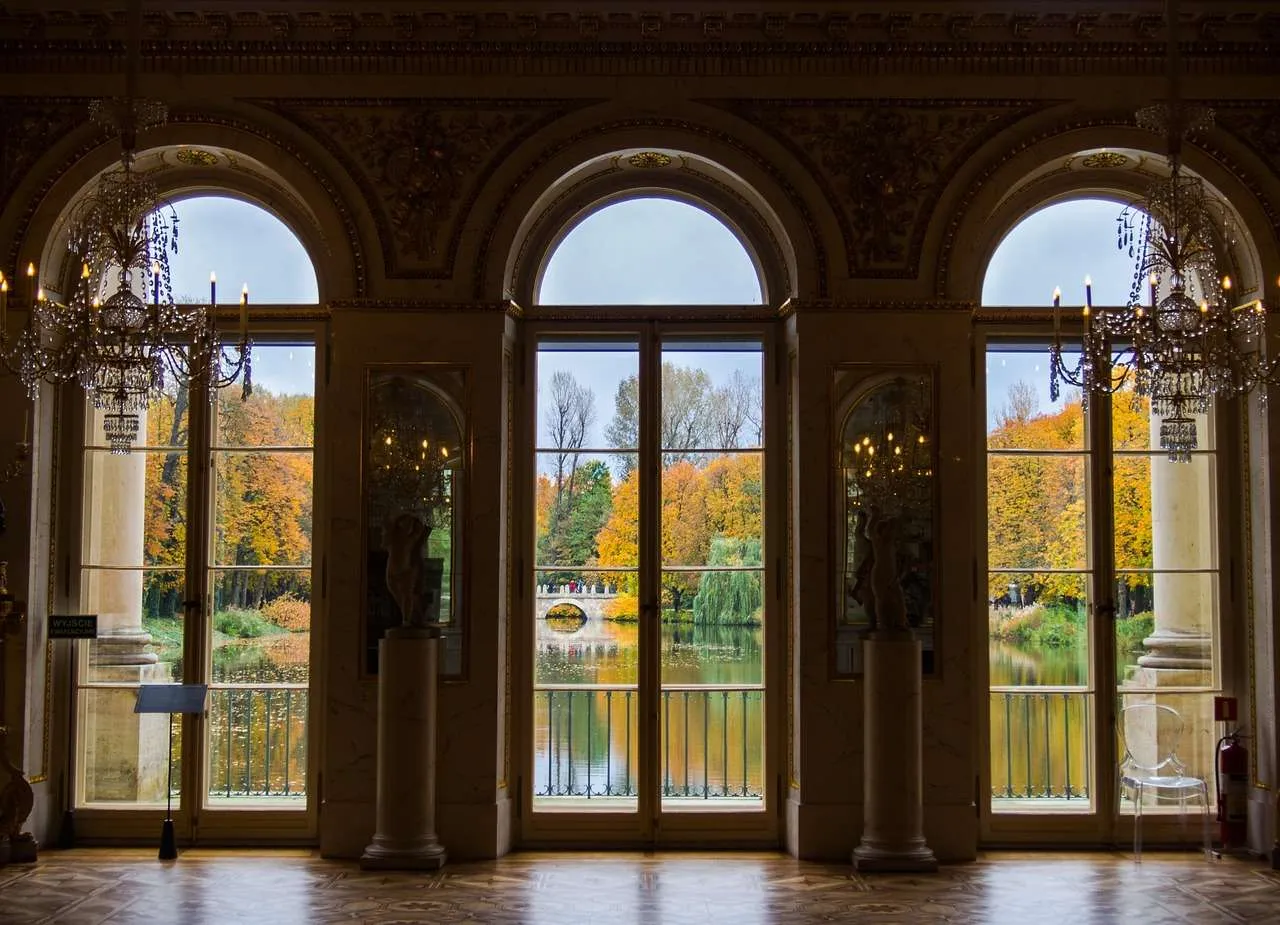
Home window tinting is a retrofit that applies a thin film to glass to improve comfort, protect interiors, and save energy. Modern residential films offer a range of light transmissions, colors, and hues, allowing homeowners to tailor appearance and performance without sacrificing daylight. This article explains how home window tinting works, the main film types, installation considerations, costs, and how to choose a qualified installer to ensure lasting, safe results.
What is Home Window Tinting?
Home window tinting uses a window film applied to interior glazing to reduce solar heat gain, block UV light, and lower glare. Films are engineered to be durable, slim, and optically clear, so they maintain views while improving energy performance. A professional installer can advise on the best film for your climate, orientation, and budget, ensuring the installation preserves the glass warranty and avoids bubbles or peeling.
Key Benefits
- Energy efficiency: By reducing heat transfer, tinted windows lower cooling loads and can cut energy bills.
- UV protection: Most films block up to 99 percent of UV rays, protecting fabrics, furniture, and skin.
- Glare reduction: Films reduce screen glare, improving comfort for work or entertainment spaces.
- Privacy and aesthetics: Tints offer daytime privacy without sacrificing daylight and view quality.
- Safety and durability: Many films add a layer of resilience that helps hold glass pieces in case of breakage.
Popular Film Types
Dyed Films
Dyed films are among the most affordable options. They provide color and a noticeable decrease in heat gain but may fade over time and offer moderate UV protection. Typical visible light transmission ranges wide, depending on the product.
Metalized Films
Metalized or metallic films reflect a portion of solar energy, delivering strong heat rejection and glare control. They can cause slight reflections and may interfere with some electronic signals if applied to certain panes.
Ceramic Films
Ceramic films use advanced minerals to deliver high heat rejection with superior clarity. They are non conductive, preserve cell signal strength, and resist fading, though they come at a higher price.
Carbon Films
Carbon films provide a non reflective appearance with good heat rejection and color stability. They balance performance with a neutral look that remains consistent over time.
Laminated Safety Films
Laminate safety films add a layer that helps hold glass together on impact while reducing heat gain. They are ideal for homes with children or in regions with severe weather, and they may be tinted for privacy.
Key Considerations Before You Tint
- Climatic factors: Hot sunny climates benefit from higher heat rejection films, while milder climates may opt for lighter tints.
- Window glazing: Double or triple pane units respond differently to film; consult the manufacturer for warranty compatibility.
- Local laws: Some jurisdictions regulate tint darkness and reflectivity; verify limits before selecting a film.
- Warranty and service: Choose a product with a strong warranty and a local installer who stands behind workmanship.
Installation Process
Professional installation follows a careful sequence to prevent bubbles and edge peeling. The steps typically include a surface inspection, measurement, cleaning, film cutting, edge sealing, and curing. A licensed installer uses professional tools and may provide a warranty that covers bubbling or delamination for several years. Avoid DIY tinting on large residential panes, as improper installation can void glass warranties.
Cost and Return on Investment
Costs vary by film type, window size, and labor, but most homeowners see a reasonable return through reduced cooling needs and furniture protection. Expect to pay a few dollars per square foot for entry level films and up to double digits for premium ceramic or carbon options. A reputable installer can provide an on site estimate and a performance guarantee.
Choosing a Professional
Look for compliance with industry standards from groups such as the Window Film Association of America or local building codes. Request written estimates, verify licenses and insurance, and ask about installation timeframes and after sale support. Read reviews and ask for samples to assess color stability and glare. A trustworthy installer will explain warranty terms and provide documentation for future glazing needs.
Window Film Types at a Glance
| Film Type | Key Pros | Cons | Typical VLT | Estimated Cost / sq ft |
|---|---|---|---|---|
| Dyed | Low cost; color stability; decent privacy | Fades over time; moderate heat control | 35-80 | 2-4 |
| Metalized | Strong heat rejection; good glare control | Possible electronics interference | 15-60 | 3-6 |
| Ceramic | Excellent heat rejection; clear view; non conductive | Higher cost | 30-60 | 6-12 |
| Carbon | Neutral tint; good heat rejection | Moderate cost | 30-60 | 5-9 |
| Laminated Safety | Safety enhancement; UV protection | Limited tint options | 50-90 | 5-9 |
Maintenance and Longevity
To maximize life, clean films with a soft cloth and a mild, non ammonia cleaner. Avoid abrasive tools. Do not attempt to remove films prematurely; professional removal is advised when replacing glass or upgrading films. Most quality films resist fading for years and include warranties that cover bubbling or delamination.
Conclusion
Conclusion, choosing the right home window tinting solution delivers cooler interiors, UV protection, reduced glare, and enhanced privacy. By understanding film types, installation best practices, and working with a qualified professional, homeowners maximize comfort, value, and the longevity of their glazing.