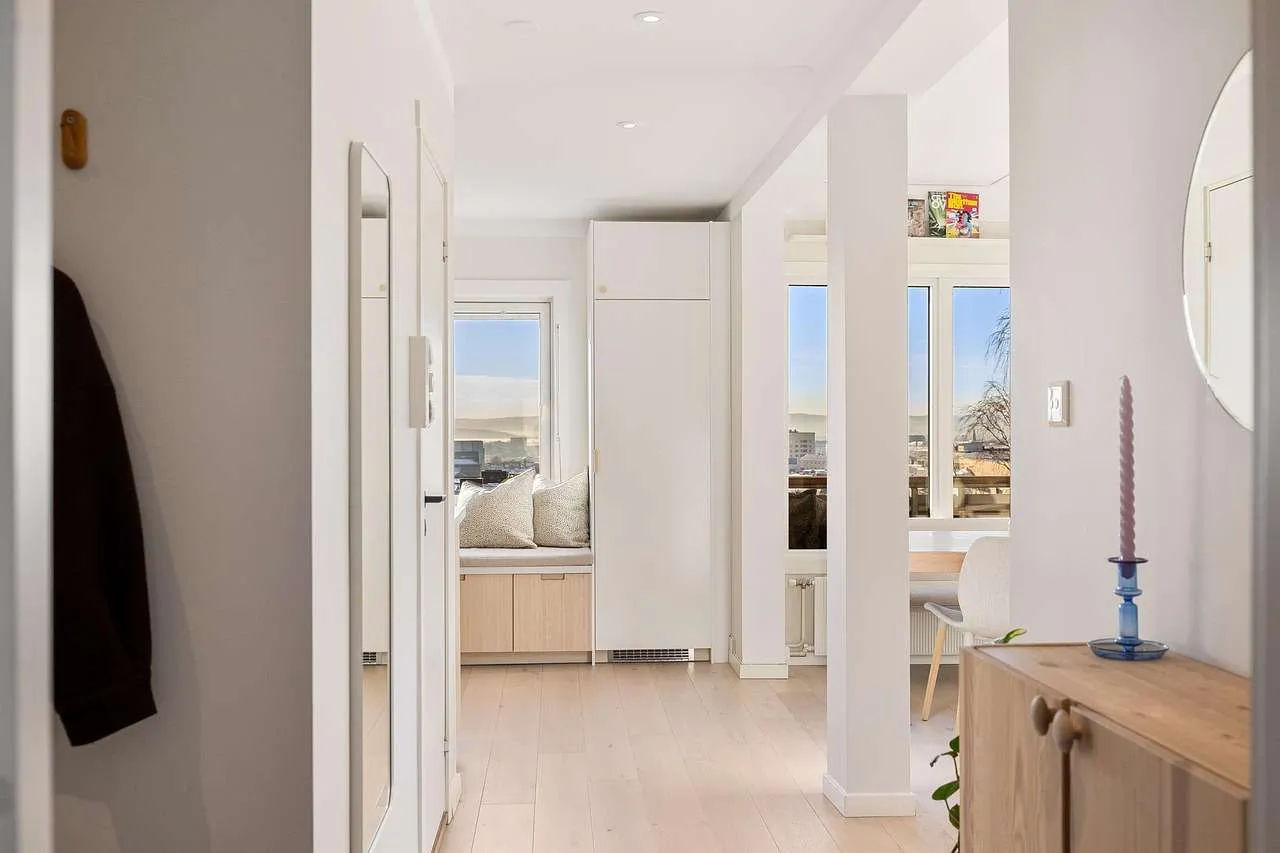
Window tint for home is a smart upgrade for comfort, energy efficiency, and privacy. By applying a thin film to your home windows, you can dramatically reduce heat gain, block UV rays, and control glare without sacrificing natural light. As homeowners seek sustainable ways to improve living spaces, residential window tint has become a practical option for protecting furnishings, increasing comfort, and lowering monthly cooling costs. This guide explains how window tint for home works, what to consider when choosing a film, and how to ensure a safe, lasting installation that aligns with your budget and local rules.
What is window tint for home?
Window tint for home refers to a translucent film applied to interior or exterior glass. The film contains layers that absorb or reflect infrared heat, filter UV radiation, and reduce light transmission. Unlike a major window replacement, tinting preserves the original glass while enhancing performance. In addition to energy savings, tint can improve privacy during the day and reduce glare on screens and in living spaces.
Benefits of window tint for home
Energy savings and comfort
One of the most compelling reasons homeowners choose residential window tint is reduced cooling load. By blocking a large portion of infrared heat, tint lowers indoor temperatures in sunlit rooms and minimizes the need for air conditioning during hot seasons. Over time, this can translate into noticeable energy savings and a more comfortable home, even in front-facing rooms with strong sun exposure.
UV protection and furnishings
UV rays cause fading and fabric wear for upholstery, carpets, and artwork. A quality window film can block up to 99% of UV radiation, preserving interior colors and reducing the risk of sun damage. This protection helps extend the life of furnishings and keeps interiors looking newer for longer.
Privacy, glare control, and safety
Tinted windows reduce visibility from the outside, which can deter passersby and enhance daytime privacy. At the same time, glare reduction improves comfort when watching TV or working on a computer. Some films also add a layer of safety by holding shattered glass together in case of impact, which can be especially valuable in homes near active streets or in earthquake-prone areas.
Aesthetics and property value
Window tint for home is available in various shades and finishes, from subtle, barely-there tones to darker, more noticeable looks. The right tint can complement architectural style while maintaining natural light and exterior curb appeal. When chosen thoughtfully, tinting can be a cost-efficient upgrade that enhances both comfort and property value.
Choosing the right type of window tint for home
Different film technologies offer trade-offs between heat rejection, UV protection, glare control, appearance, and price. Here is a concise comparison to help you decide which option matches your goals and budget.
| Type | Heat Rejection | UV Rejection | Glare Reduction | Appearance | Typical Cost |
|---|---|---|---|---|---|
| Dyed | Moderate | Good | Low | Non-reflective | Low |
| Metalized | High | High | Moderate | Reflective | Medium |
| Ceramic | Very High | Very High | Excellent | Natural, clear | High |
| Hybrid | High | High | Moderate | Balanced | Mid |
Durability and maintenance
Most residential films are designed to last 10 to 20 years with proper care. Clean films with a soft cloth and mild soap, avoiding abrasive cleaners that can scratch the surface. If you ever need professional removal or replacement, hire a licensed installer to minimize risk to the glass and frame.
Installation considerations and best practices
Professional installation is recommended to ensure a smooth, bubble-free finish and to maintain warranties. Before installation, consider these steps:
- Check local codes and HOA rules to confirm tint limits and any restrictions on reflective finishes.
- Measure windows accurately and select a tint that meets both energy goals and aesthetic preferences.
- Ask about warranty coverage, adhesive quality, and the impact on window hardware or sensors.
- Plan for professional removal when replacing windows or upgrading film in the future.
Legal considerations and safety
Some jurisdictions regulate the level of tint allowed on different windows, especially in areas with reflective films or near driving lines. Always verify local building codes and safety standards before purchase. For homes with children, pets, or large glass surfaces, choosing a film with strong UV protection and a safety rating adds an extra layer of protection.
Practical tips for choosing and maintaining window tint for home
To maximize value, combine your tint choice with smart shading solutions like exterior overhangs or insulated drapes. If your goal is energy efficiency, prioritize high heat rejection and UV blocking. For privacy, consider slightly darker shades during daytime hours and test the look from street level. Finally, compare warranties and service options from multiple installers to ensure you get reliable, long-lasting performance.
Conclusion or Summary will follow below as the final takeaway to reinforce the core ideas and ensure you have a clear path forward for a confident home window tint decision.
Summary, window tint for home offers a balanced approach to comfort, protection, and cost. By understanding the main film types, aligning with your privacy and aesthetic goals, and choosing a qualified installer, you can enjoy reduced heat, preserved furnishings, and enhanced living spaces for years to come.